Special Status Species Spotlight – The Burrowing Owl
Here at Sequoia Ecological Consulting, we have the privilege of working with many incredible threatened and endangered species. In this series, we aim to go in-depth and highlight some of the magnificent creatures we work to preserve. In this installment, we will discuss the western burrowing owl (Athene cunicularia).
The burrowing owl (BUOW) is designated a California Species of Special Concern by the California Department of Fish and Game and is federally listed as a Bird of Conservation Concern. This species also receives additional protection under the Migratory Bird Treaty Act (MBTA) and California Fish and Game Code 3503 (a section which makes it unlawful to take, possess, or needlessly destroy the nest or eggs of any bird).
Burrowing owls range throughout the Central Valley, the inner and outer Coastal regions, portions of the San Francisco Bay Area, the southern California Coast (from southern California to the Mexican Border), the Imperial Valley, and in portions of the desert and high desert habitats in southeastern and northeastern California. Burrowing owls require habitat with three basic attributes: open, well-drained terrain; short, sparse vegetation; and underground burrows.
Throughout their range burrowing owls occupy grasslands, deserts, sagebrush scrub, agricultural areas (including pastures and untilled cropland), levees and berms, coastal uplands, urban vacant lots, and even the margins of airports, golf courses, and roads. Burrowing owls rely heavily on burrows excavated by fossorial mammals and reptiles, including prairie dogs, ground squirrels, badgers, skunks, armadillos, woodchucks, foxes, coyotes, and gopher tortoises.
Where the number and availability of natural burrows are limited (for example, where burrows have been destroyed or ground squirrels have been eradicated), owls will occupy man-made drainage culverts, cavities under piles of rubble, discarded pipe, and other tunnel-like structures. Like other owl species, burrowing owls breed once each year in an extended reproductive period, during which most adults mate monogamously. Clutch sizes vary, and the number of eggs laid is proportionate to prey abundance in the environment. Burrowing owls typically feed on invertebrates, small vertebrate mammals, lizards, and birds.
The BUOW breeding season occurs from February 1 to August 31, peaking between late April and July in most years. Interestingly, burrowing owls have also been found occupying burrows in the foothills (up to 2048 feet in elevation) of California during the non-breeding, winter season. These overwintering birds do not remain during the breeding season, and typically do not breed in adjacent or nearby areas.

In the Bay Area and northern California at large, burrowing owls have been losing habitat at an alarming rate as intensive agriculture, human development, infrastructure projects, and the loss of burrowing mammal populations have greatly reduced the amount of suitable habitat for this species.
It is estimated that United States BUOW populations have declined by nearly 33% between 1966 and 2015, according to the North American Breeding Bird Survey. The declines have been most sharp in Florida, the Dakotas, and California. The remaining populations experience intense pressures from predation, human encroachment, and agricultural activities. It is therefore paramount that we work hard to protect and conserve our remaining burrowing owl populations.

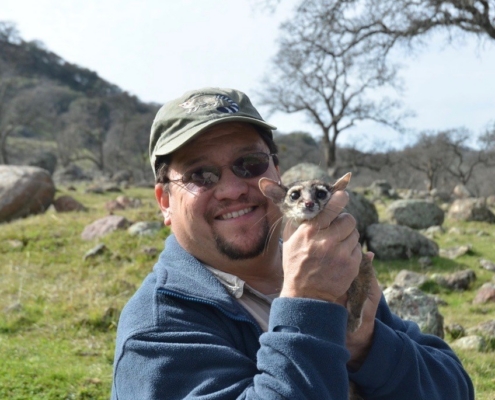
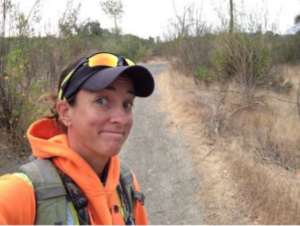
Here at Sequoia, we have been actively performing burrowing owl surveys and mitigation services since our company’s inception, and we are familiar with the processes necessary to protect and conserve this emblematic species. Our hardworking biologists, such as USGS Master Bird Bander and owl specialist Julie Woodruff seen above, are passionate about working to protect this iconic bird.